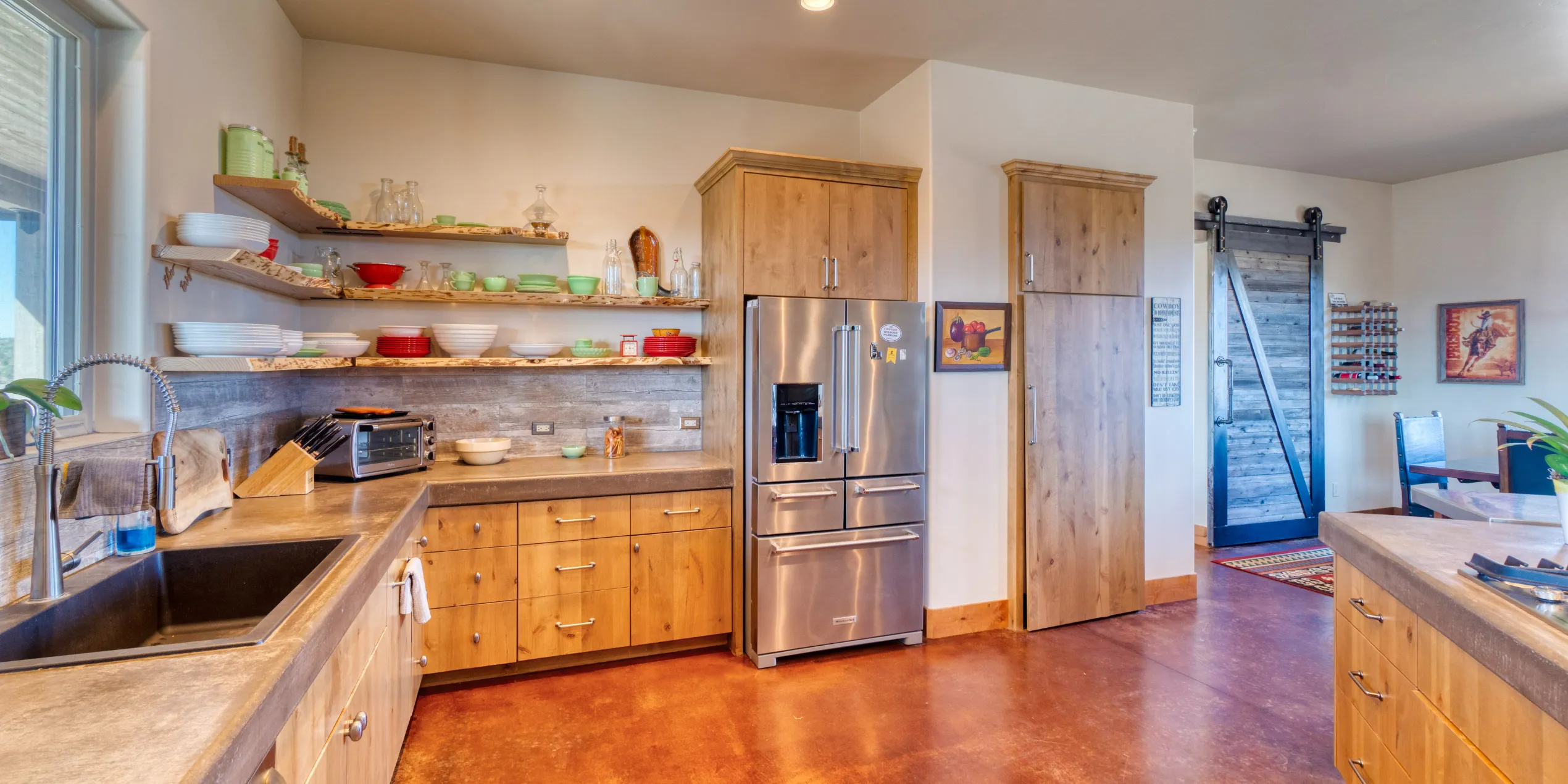
A home remodeling project can change how a space looks, functions, and supports daily life. Whether the plan involves a kitchen, a bathroom, or several rooms, the decisions made before work begins often shape how smoothly the project unfolds. Taking time to define priorities, gather information, and ask questions can help you approach a remodel with clearer expectations.
Planning does not require technical expertise. It starts with understanding what you want to change, why it matters, and what constraints may affect the work. The considerations below can help you organize your thinking before you request estimates or schedule consultations.
A remodel tends to go more smoothly when goals, budget, and scope are clearly defined before the first estimate is requested.
Many remodeling surprises begin as unanswered questions. Will the existing layout stay the same? Could the work affect plumbing, electrical, or structural elements? Are there permit requirements or homeowners association rules to follow? Some answers only become clear after a professional reviews the space, but writing down what you already know makes those conversations more productive.
Seven Planning Considerations for Your Remodel
Every home and project is different, so treat these points as a starting framework rather than a fixed formula. Revisit them as you learn more about your space and the options available to you.
- Project goals: define what the remodel should accomplish, such as more storage, better flow, improved accessibility, or updated finishes.
- Budget range: decide on a comfortable spending range before reviewing options, and keep part of it in reserve for unexpected conditions.
- Priorities: separate must-have changes from features you would include only if the budget allows.
- Permits and approvals: ask whether the planned work may require permits, inspections, or homeowners association approval.
- Existing conditions: older homes can hide issues such as outdated wiring, water damage, or uneven framing that appear only once work begins.
- Daily living: consider how the project may affect access to kitchens, bathrooms, or other everyday spaces while work is underway.
- Written scope: before work starts, confirm the scope, materials, timeline expectations, and payment terms in writing.
Thoughtful preparation will not remove every uncertainty, but it can make decisions easier and conversations with professionals more focused. Organized notes, clear priorities, and a realistic budget range will help you request and compare estimates with confidence when you are ready to move forward.